


Why is a music distributor important for an artist?
Most major streaming platforms do not allow artists to upload music directly. Each release must meet specific technical and legal requirements and include important metadata, such as the artist’s name, song title, contributors, release date and copyright information.
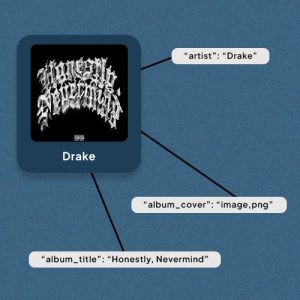
A music distributor handles this process for the artist. Before delivering a release, the distributor checks that the audio files, cover artwork and metadata meet the requirements of the selected streaming platforms. Once everything has been approved, the distributor delivers the release and its associated information to those platforms.
After the music has been released, the distributor receives streaming and royalty reports from the platforms. These earnings are then added to the artist’s account and can later be withdrawn using the distributor’s available payout methods.
Music distributors can also provide additional tools and services. Depending on the distributor and subscription plan, these may include release scheduling, royalty statements, streaming analytics, pre-save pages, automatic royalty splits and YouTube Content ID. Some distributors may also offer marketing tools or support for artists and record labels.
Does a music distributor own your music?
Distributing your music through a music distributor, such as All Humans Cry, does not usually mean that the distributor owns your music or royalties. A music distributor mainly acts as a middleman by delivering your music to streaming platforms, collecting and paying out the royalties you are entitled to, and providing additional services when available.
In most cases, you remain the owner of your music and keep the rights to it. Nevertheless, it is always important to read the distributor’s Terms of Service before submitting your music. This allows you to understand which rights you grant the distributor and make sure that you keep ownership and control of your music.
How does a music distributor make money?
Now that you know that a music distributor usually does not own your music, you might wonder how it makes money. Music distributors use different business models, and the amount you pay depends on the distributor you choose.
Many distributors make money by selling yearly subscriptions that allow artists and record labels to distribute music through their platforms. Other distributors keep a percentage of the royalties generated by your music, while some combine a subscription or release fee with a royalty commission.
Some distributors also charge for additional services, such as music promotion, playlist-pitching tools, YouTube Content ID, faster delivery or other marketing services. However, no legitimate distributor can guarantee streams or placement on an official editorial playlist.
Another business model is charging a one-time fee for each single or album submitted. CD Baby is a well-known example of a distributor that charges per release instead of requiring a yearly distribution subscription. However, it also keeps a percentage of certain revenue it collects, so artists should always check the complete pricing model rather than only the initial release fee. According to CD Baby’s current pricing information, it keeps 9% of download and streaming revenue.
Every model has its own advantages and disadvantages. Before choosing a distributor, it is important to check its subscription costs, release fees, royalty commissions and charges for additional services.
What you should look in a music distributor
Choosing a music distributor can be challenging. Sometimes, it requires artists to spend hours browsing the internet, watching recommendation videos on YouTube or searching for Instagram and TikTok videos about the distributors they have in mind.
I’ll keep it short and easy to understand so that artists and labels know what to look for in a music distributor.
Some well-known music distributors that have been in the music industry for a long time include DistroKid, Ditto Music, TuneCore, CD Baby, Amuse, EmuBands, Too Lost and Catapult. However, every distributor offers different services and uses a different pricing model, so a well-known distributor may not always be the best choice for every artist.
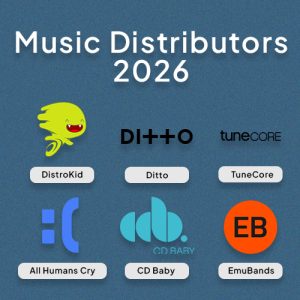
A much younger alternative is All Humans Cry (😉), which allows its artists and labels to keep 100% of the royalties they are entitled to, offers fast royalty payouts and distributes music to all major streaming platforms. It also includes additional services for its clients. Feel free to sign up and discover more about it.
One important thing to look for in a music distributor is whether it offers human support. You do not want to face an issue with your release and have an AI chatbot or automated system respond with the same answer every time you send an email or support ticket. It is therefore important to check how you can contact the distributor and how quickly it usually responds.
Other than support, you should look at the percentage of royalties the distributor pays back to you. As mentioned earlier, some distributors keep a percentage of your royalties as part of their business model. You should also check for subscription costs, release fees, payout fees and any other additional charges.
The speed at which the distributor delivers your releases to major streaming platforms is also important. However, you should always submit your music early because every streaming platform has its own processing time, and delays can happen if something needs to be corrected.
It is also helpful if the distributor allows you to view your streaming analytics directly from your dashboard. This means you do not always have to visit Spotify for Artists or every other streaming platform’s artist page separately. However, these artist platforms may still provide more detailed and up-to-date information about their own streaming services.
You should also check how quickly the distributor pays out your royalties, which payout methods it supports and whether there is a minimum amount required before you can withdraw your earnings. It is also worth checking whether it offers additional services such as pre-save pages, automatic royalty splits, YouTube Content ID and music marketing tools.
Finally, check how the distributor handles artificial streaming. It is known that newer artists can sometimes have their songs added to botted playlists without their knowledge or control. Spotify has improved its detection systems, but artificial streaming is still something artists need to be careful about.
A distributor that uses a warning or strike system may give genuine artists the opportunity to explain suspicious activity instead of immediately banning their accounts. However, serious cases may still result in penalties, a suspended account or the removal of a release. If you notice unusual streaming activity, you should contact your distributor and the streaming platform as quickly as possible.
You can go more in depth into what a music distributor is, but this article gives you the basics. I kept it short and simple so that anyone can easily understand how a music distributor works.
Thank you for taking the time to read this article! Whether you are an independent artist, an established artist or a record label, feel free to check out All Humans Cry and discover what we can offer you.
Done reading? Go back to News